Evidence before opinion.
Show me the actual workflow and the numbers. I question assumptions, follow the handoffs, and look for the root cause instead of decorating the symptoms.
MS BA IBM Marine
Neurodivergent Polymath · INFJ · 135 IQ
I've built companies, led Marines, and architected AI systems. I know what happens when a process fails because I've been the one responsible for the people, the customers, and the numbers. I don't start with a software pitch. I start with what your business is really experiencing.
I've built more than 300 AI-enabled and business systems across industries. But the number isn't what matters. What matters is seeing where things break, understanding why, and building a better way that actually makes the company stronger.
I see a business as one connected system. People, decisions, customer experience, cash flow, and technology all affect each other. I study those connections before I recommend adding anything. The goal isn't more software. It's less friction, clearer ownership, and measurable improvement.

Beyond the credentials
The perspective I bring comes from leading people, growing companies, and being accountable when the plan meets reality.
Most companies don't have a technology problem first. They have a connection problem. Their people, processes, and systems aren't working as one. And the cost of that disconnection is hiding in plain sight.
I've sat on both sides of the table. As a founder, I've worried about payroll, growth, crews, deadlines, and customer trust. As a Marine, I learned the value of knowing the ground truth and making responsibilities clear. As an architect, I look for patterns and build the structure that lets teams make better decisions.
Show me the actual workflow and the numbers. I question assumptions, follow the handoffs, and look for the root cause instead of decorating the symptoms.
I start with the people carrying out the work. If the system is impressive but they can't trust it or use it, we've solved nothing.
I'd rather fix one expensive process and demonstrate the result than launch twenty features nobody needs. Use what's already there, improve it, then measure the difference.
I favor concise explanations, working examples, and outcomes you can verify. My Mindprint review reflects limited professional communication signals, not a personality diagnosis. This is my own account of the perspective I bring.
Build library
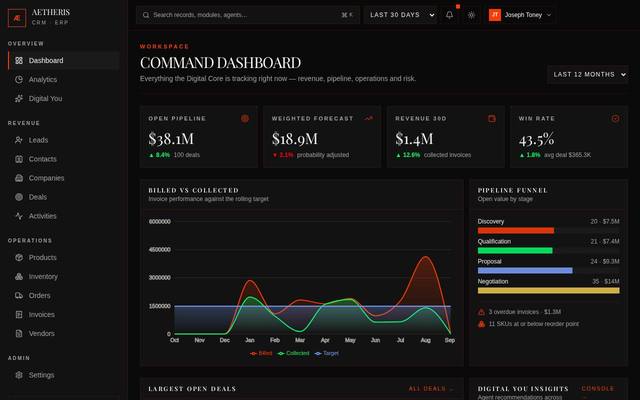
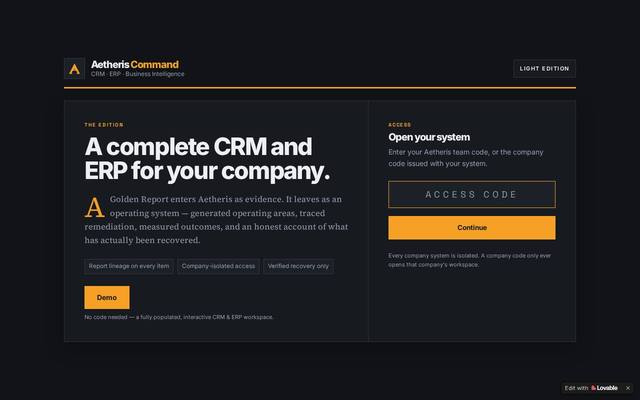
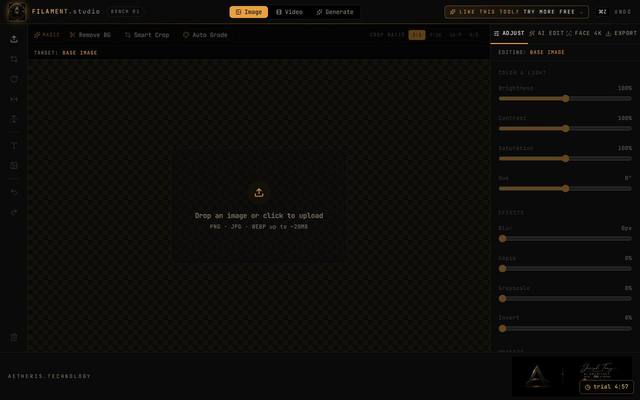
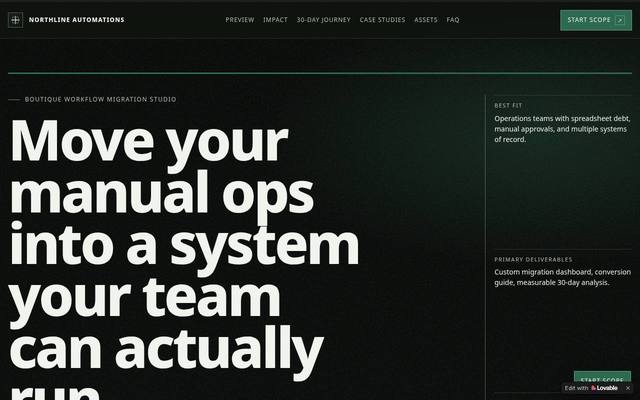
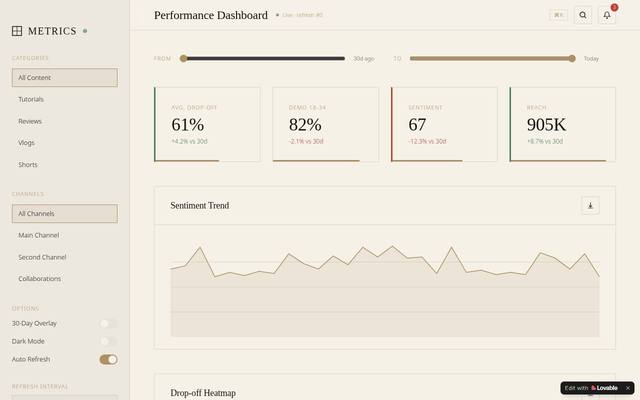
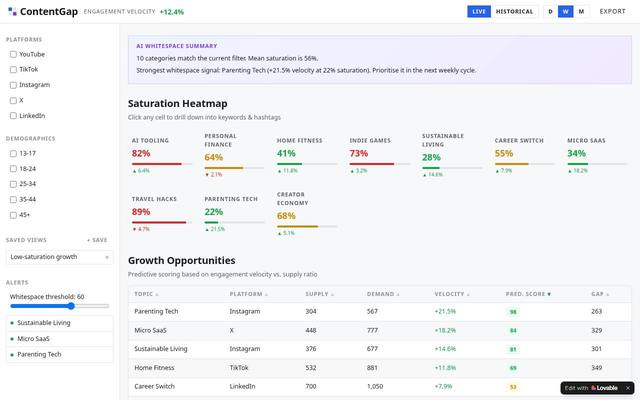
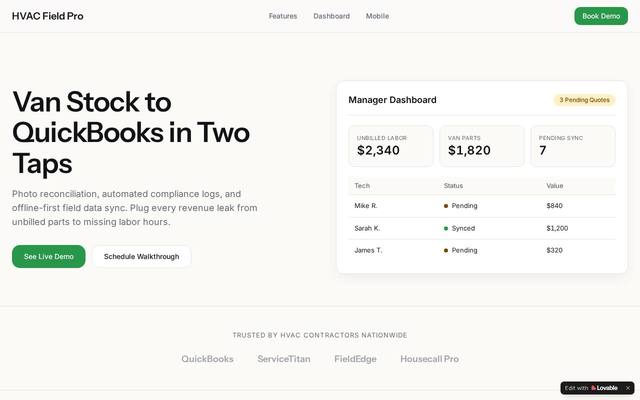
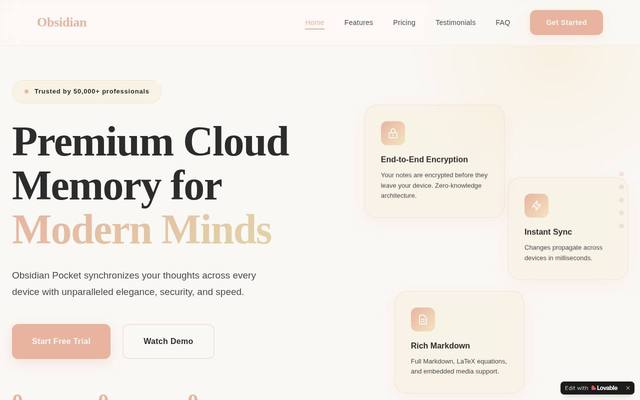
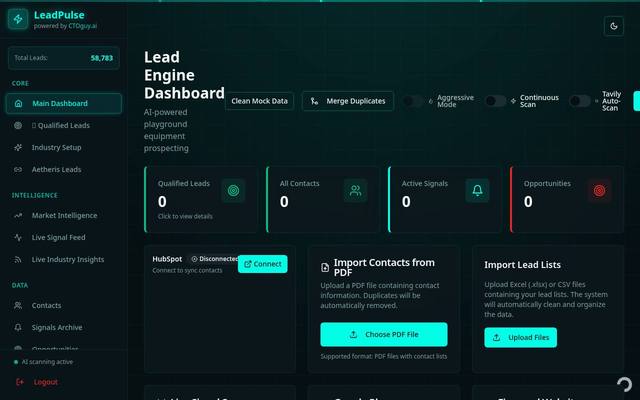
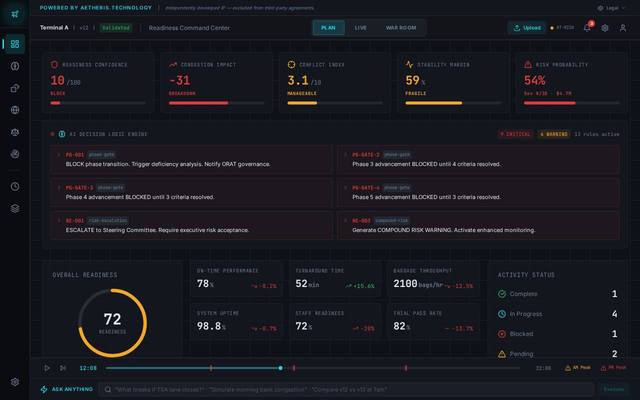
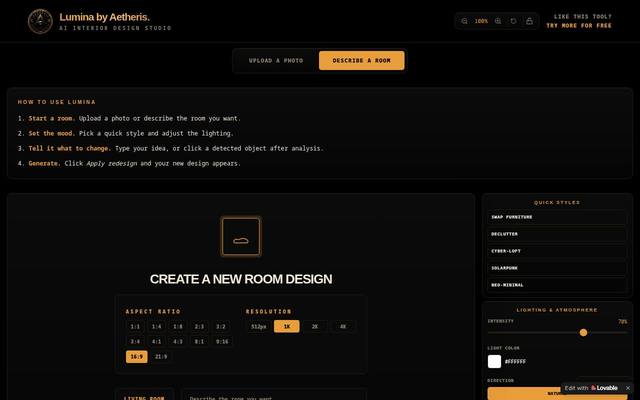
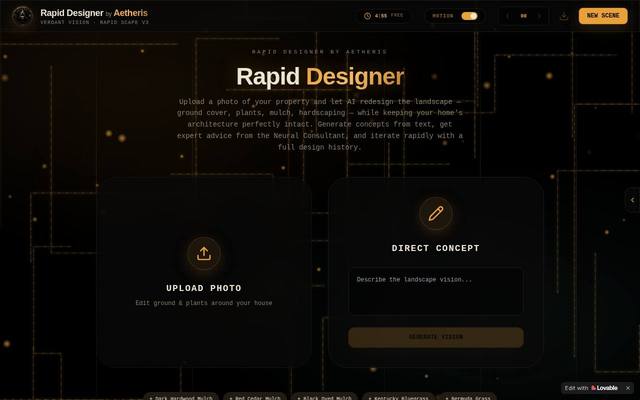
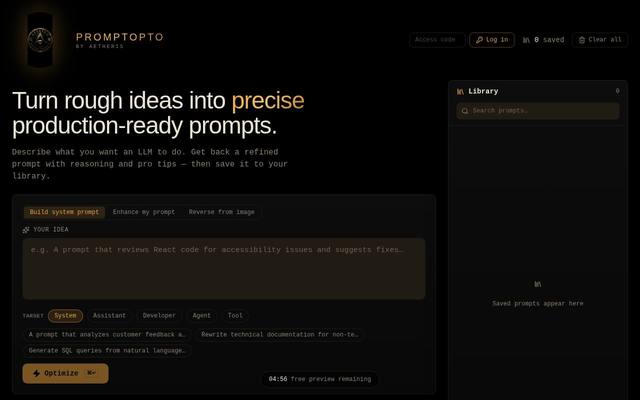
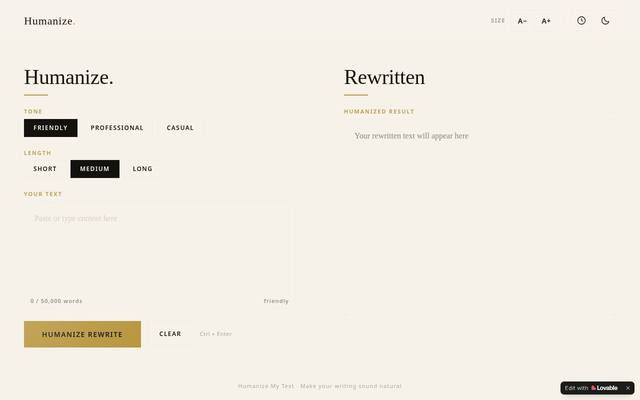
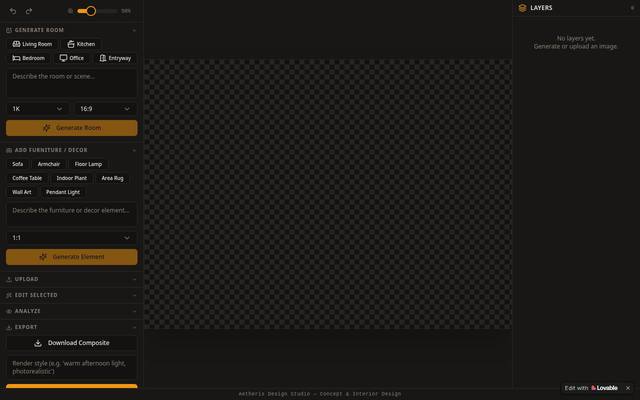
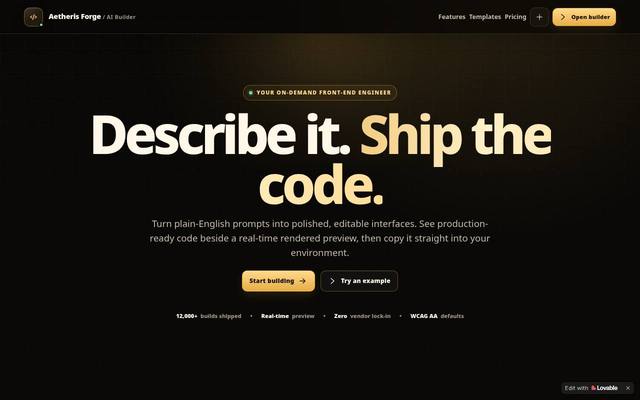
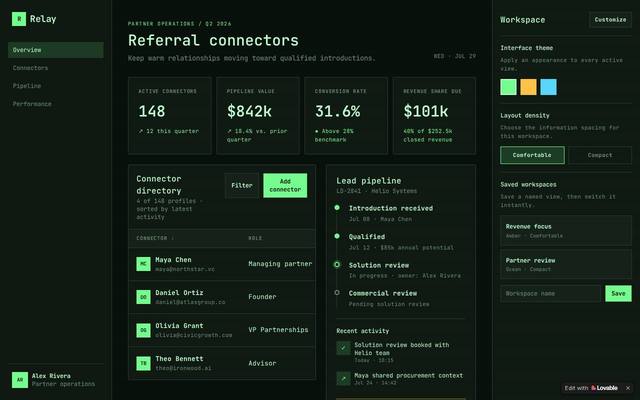
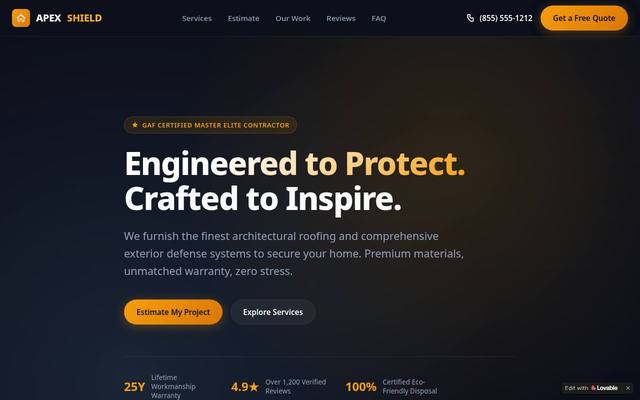
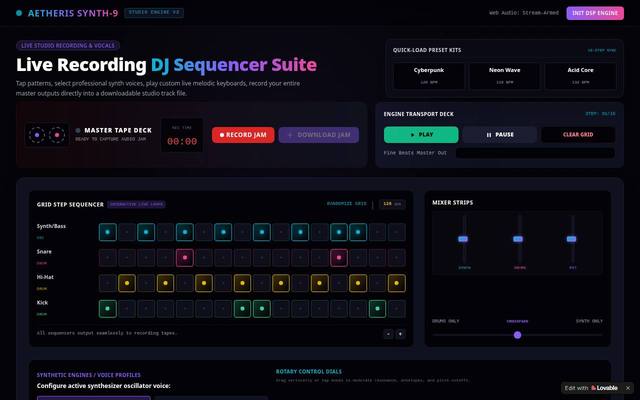
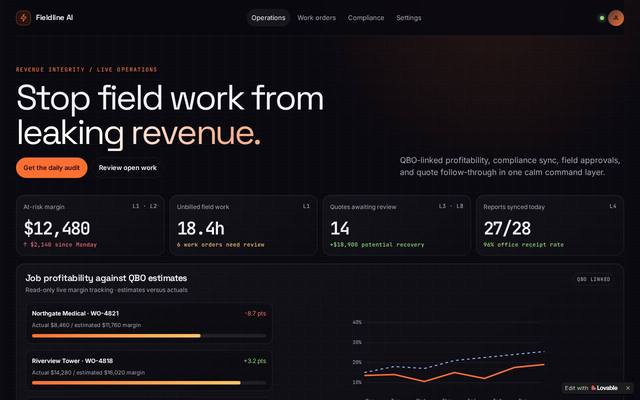
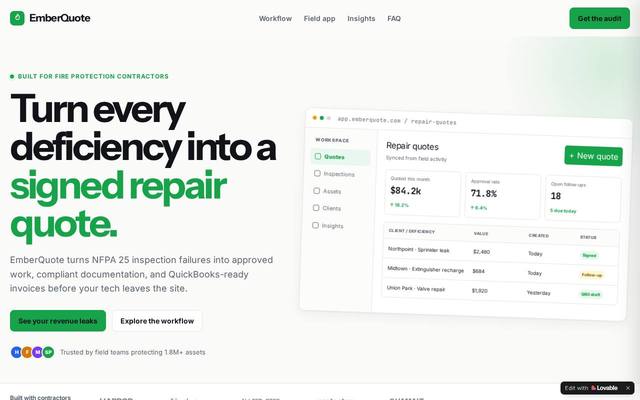
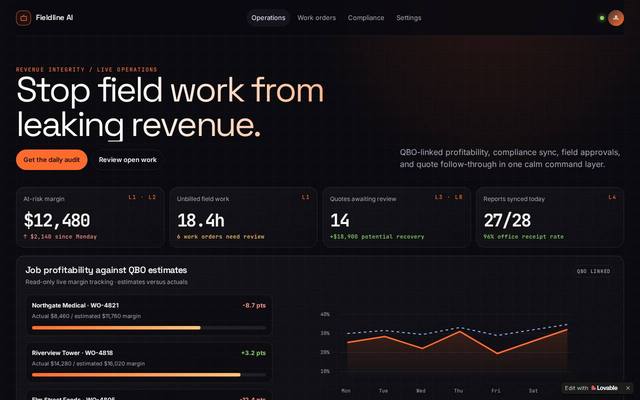
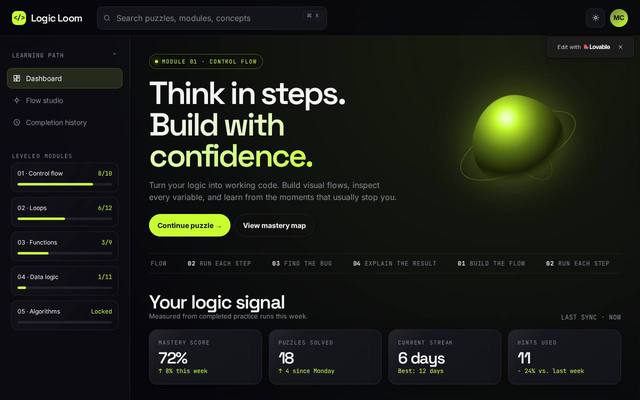
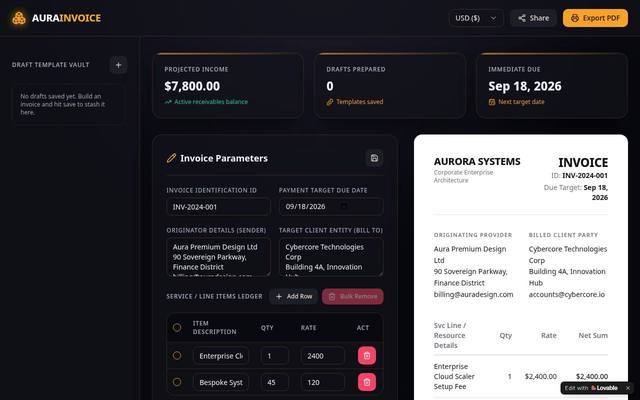
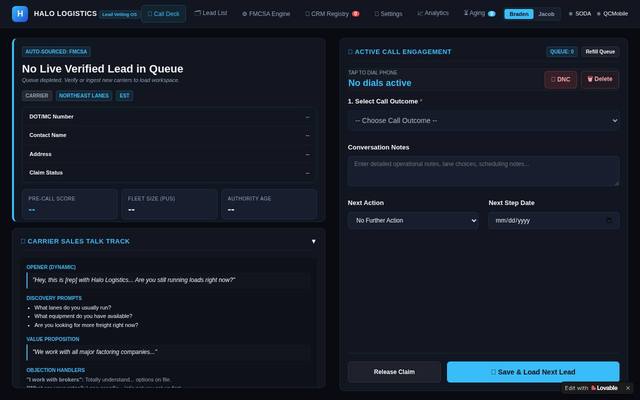
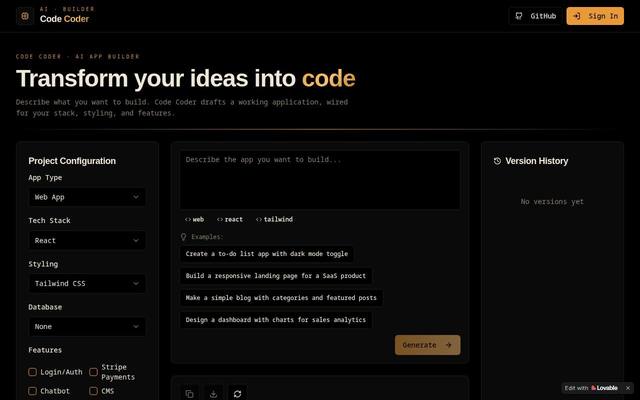
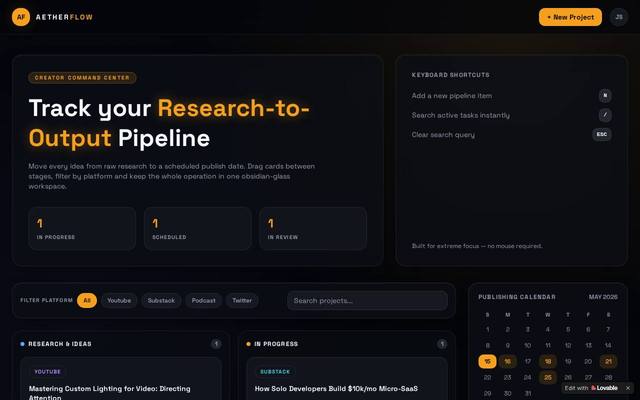
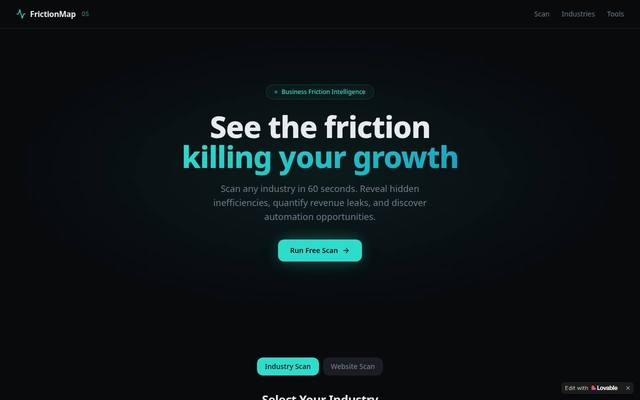
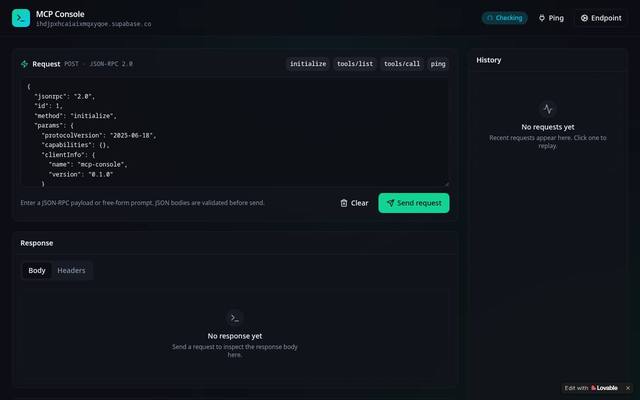
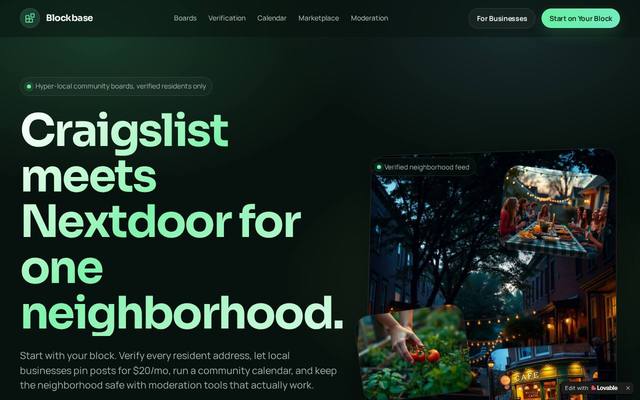
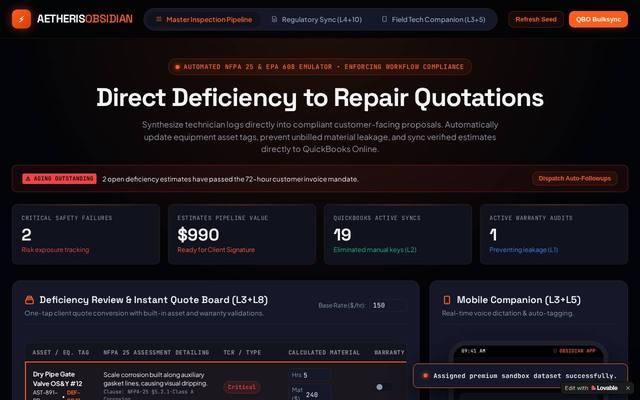
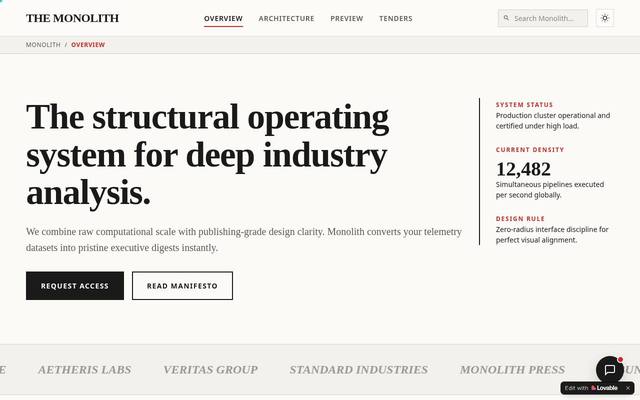
67 live builds spanning AI systems, field operations, CRM and revenue tooling, reporting, quoting, content, and creative production. Every tile links to the working product.
Longform body
A business resume written for companies that care about operating clarity, technical judgment, commercial impact, and the ability to make teams work from the same system instead of fragmented tools.
This is the authored product detail: the resume is framed as an operating paper, not a generic profile. The diagram reflects the exact decision pattern repeated across business systems, field operations, and commercial environments.
Across founder work, enterprise consulting, manufacturing operations, and military leadership, the recurring pattern is consistent: inspect the true state of the system, remove ambiguity, define ownership, document the repeatable path, train the people using it, and evaluate whether the output changed.
That pattern is especially relevant for businesses adopting AI. Many deployments fail because they add tools without fixing memory, context, handoffs, training, or the logic behind decisions. Joseph’s work centers on preserving and operationalizing those things so the business gets more than novelty.
For leadership teams, this means he can speak to owners, operators, sales, field personnel, designers, technical staff, and executives without losing the thread between technical implementation and business consequence.
Based on the resume’s stated ranges, the chart emphasizes measurable compression in rendering turnaround and labor after systems redesign.
Related strip
Not a list of tools used, but patterns of value repeatedly produced in operating environments where delay, confusion, or weak ownership directly costs revenue and trust.
Internal assistant
An on-page AI-style assistant answers questions using only the information already presented in this resume, including experience, industries, operating style, education, personal builds, and business outcomes.
Ask things like “What industries has he worked in?”, “What are his strongest business outcomes?”, “What is Aetheris Technology?”, or “Why is he a fit for businesses adopting AI?”
Subscribe rule
Use this shared note space to keep interview observations, role-fit comments, or resume tailoring notes. Notes sync through the required memory layer so the page can reflect updates across devices.
Examples: “Strong fit for revenue operations transformation,” “Good for VP of Systems / AI enablement,” or “Needs version emphasizing founder exits and construction operations.”